


Previous Story
Imagining a ‘New India’ without Muslims
Posted On Apr 29 2026
Comment: 0
Imagining a ‘New India’ without Muslims
A conference in the US hosted by the Hudson Institute, dedicated to understanding the “new India”, did not merely misunderstand the country; it mirrored the very exclusions that define its current political trajectory.
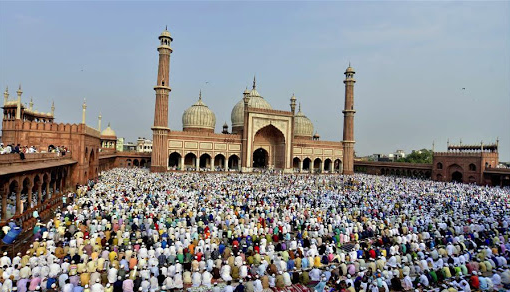
On April 23, the prominent conservative think tank the Hudson Institute hosted a conference titled “The New India Conference”. The event brought together what it described as “leading intellectuals” from India, though in reality most of the Indian participants were drawn from the Hindu nationalist movement, particularly the RSS and its political affiliate, the BJP. Notably absent were voices representing the many diverse streams of thought that characterise the Indian public sphere. The Hudson conference asserted that India’s importance to American interests had never been greater, yet argued that knowledge gaps had increased, leading to India (read the Hindu nationalist movement) being misunderstood in the US.
The conference drew early attention due to a controversy involving Ram Madhav, an RSS ideologue, who portrayed India’s foreign policy as strikingly deferential to the US, suggesting that India had complied with US demands on everything from oil purchases from Iran and Russia to high tariffs with little resistance. The backlash in India was swift, with critics across the political spectrum challenging both the accuracy of his claims and the image of subservience they projected. Madhav issued a prompt apology, acknowledging that India had not in fact ceased buying Russian oil and had protested against the US tariffs. The episode became a flashpoint in India’s public discourse, and while it does highlight what critics of the Narendra Modi government describe as an inexplicably accommodating posture towards the US, it ultimately obscured a more consequential dimension of the conference: the gross misrepresentation of Hindu nationalism.
Click to read the rest of the article in Frontline Magazine.


